MakerMondo

Sign up / Log in

Your shopping cart is still empty

Time to dive into the shop.

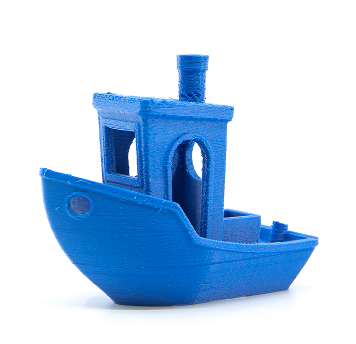
Een blauwe benchy, klein scheepje vaak gebruikt als test bij 3D-printen
a detailed blue 3D printed model of two koi fish swimming upward, set against a purple gradient background.

The ultimate 3D printing materials guide: how to choose the right filament

Nothing defines the success of your 3D print quite like the material you choose. From prototyping a simple desktop model to manufacturing industrial-grade mechanical components, every 3D printing filament has unique properties, strengths, and printing requirements.

This comprehensive guide breaks down the most popular 3D printing materials to help you select the perfect match for your next project.
Standard & everyday 3d printing filaments

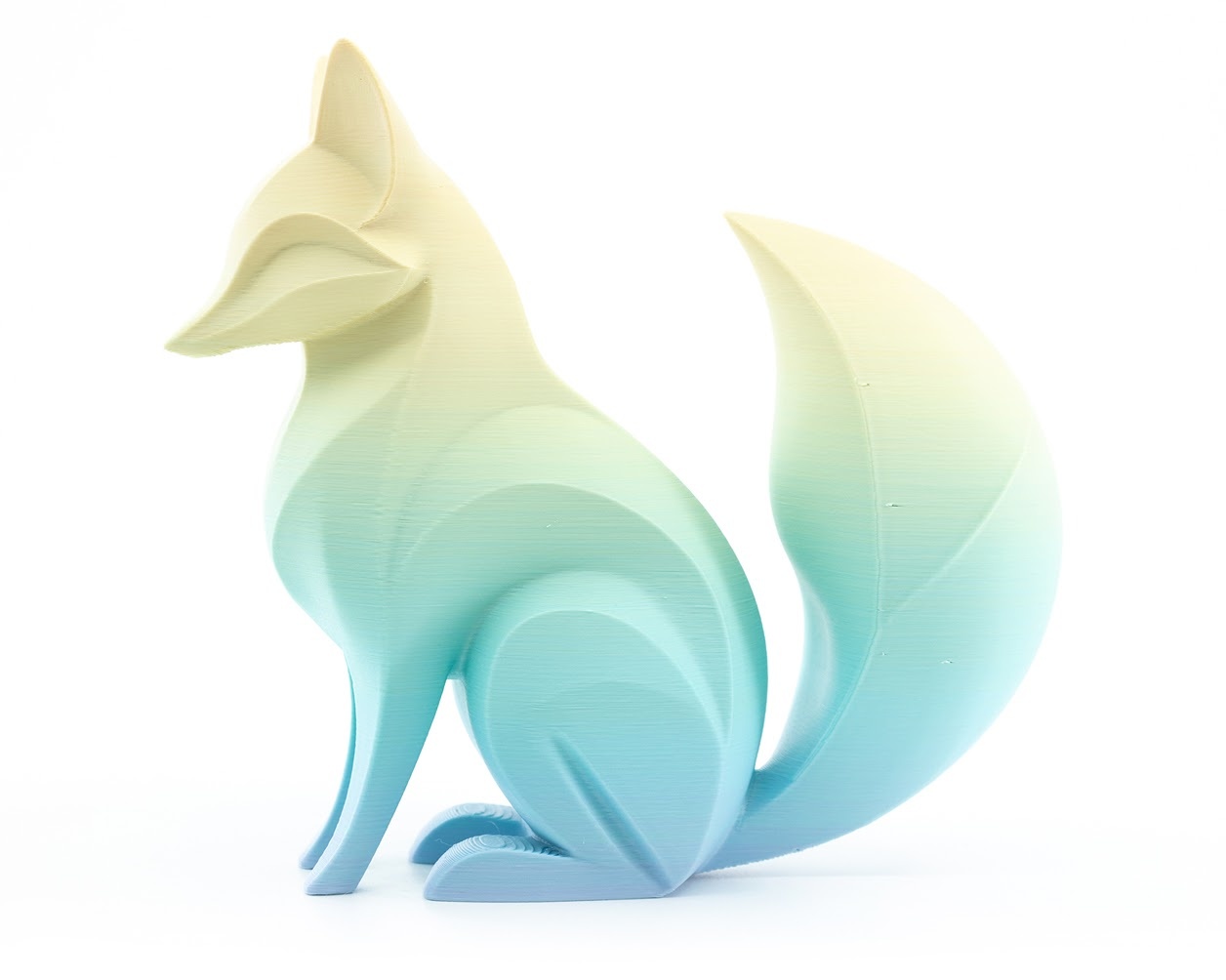
A decorative low-poly fox figurine 3D printed using multi-colour gradient rainbow PLA 3D printer filament.

PLA

Polylactic Acid

PLA is the undisputed king of desktop 3D printing. Made from renewable, plant-based materials, PLA is eco-friendly, completely biodegradable, and incredibly easy to print. It requires no heated bed and has virtually zero warping.
  • Best for: detailed models, rapid prototypes, architectural miniatures, and hobbyist projects.
  • Pros: effortless to print, massive range of vibrant colours, low cost, minimal odour.
  • Cons: low heat resistance (softens above 60 °C), relatively brittle under heavy stress or when exposed to moisture.

Buy PLA filaments

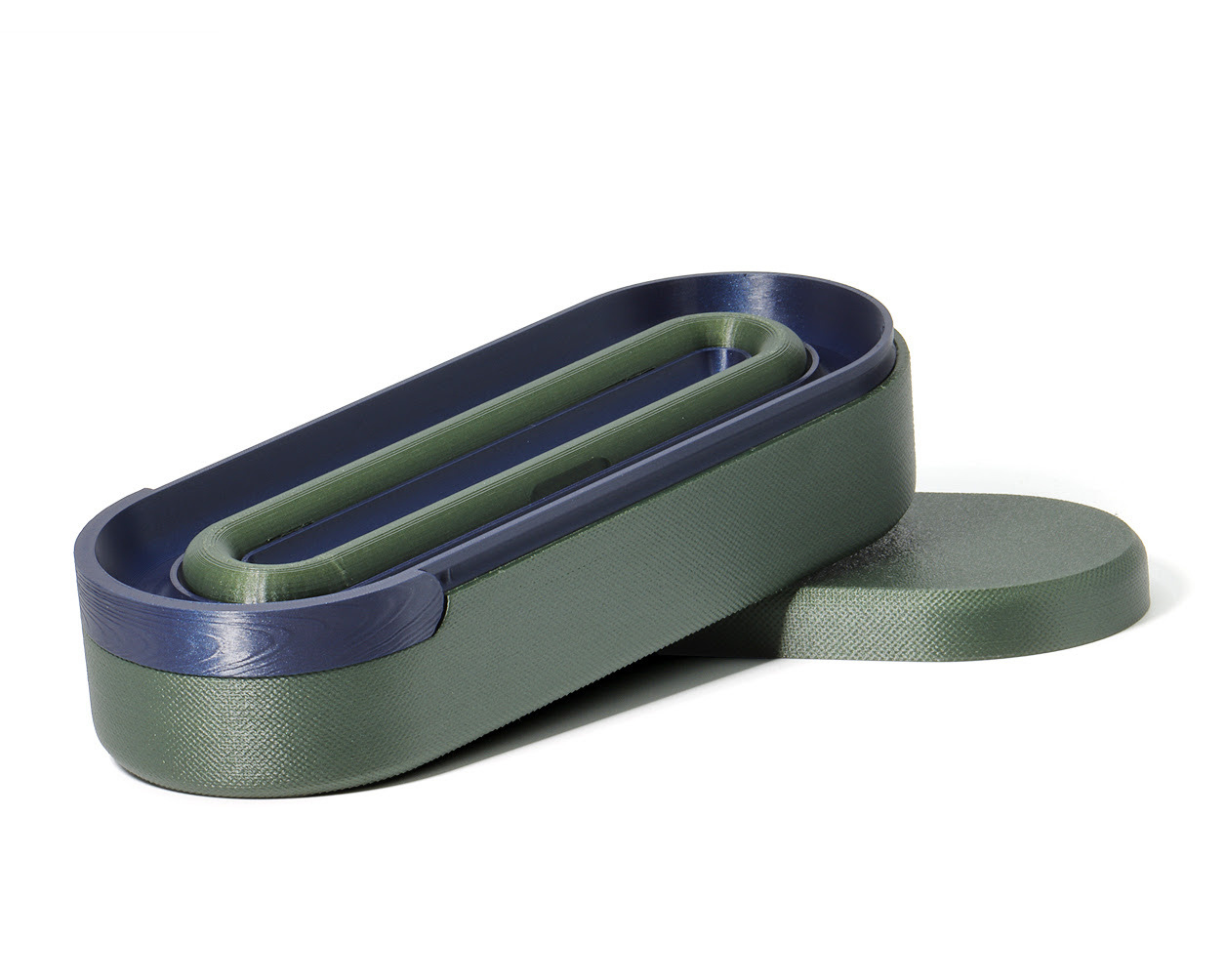
A multi-part nesting utility case assembly 3D printed in durable green and blue PETG 3D printing filament

PETG

Polyethylene Terephthalate Glycol

PETG is the perfect "all-rounder" that bridges the gap between PLA and ABS. PETG combines the straightforward, low-warp printing characteristics of PLA with the functional toughness and temperature resistance of ABS.
  • Best for: functional prototypes, mechanical brackets, water-resistant containers, and outdoor fixtures.
  • Pros: excellent impact resistance, high chemical and weather resistance, superb layer adhesion.
  • Cons: can be prone to stringing (requires fine-tuned retraction settings), raw 3D printer filament absorbs moisture quickly so must be kept dry at all times.

Buy PETG filaments

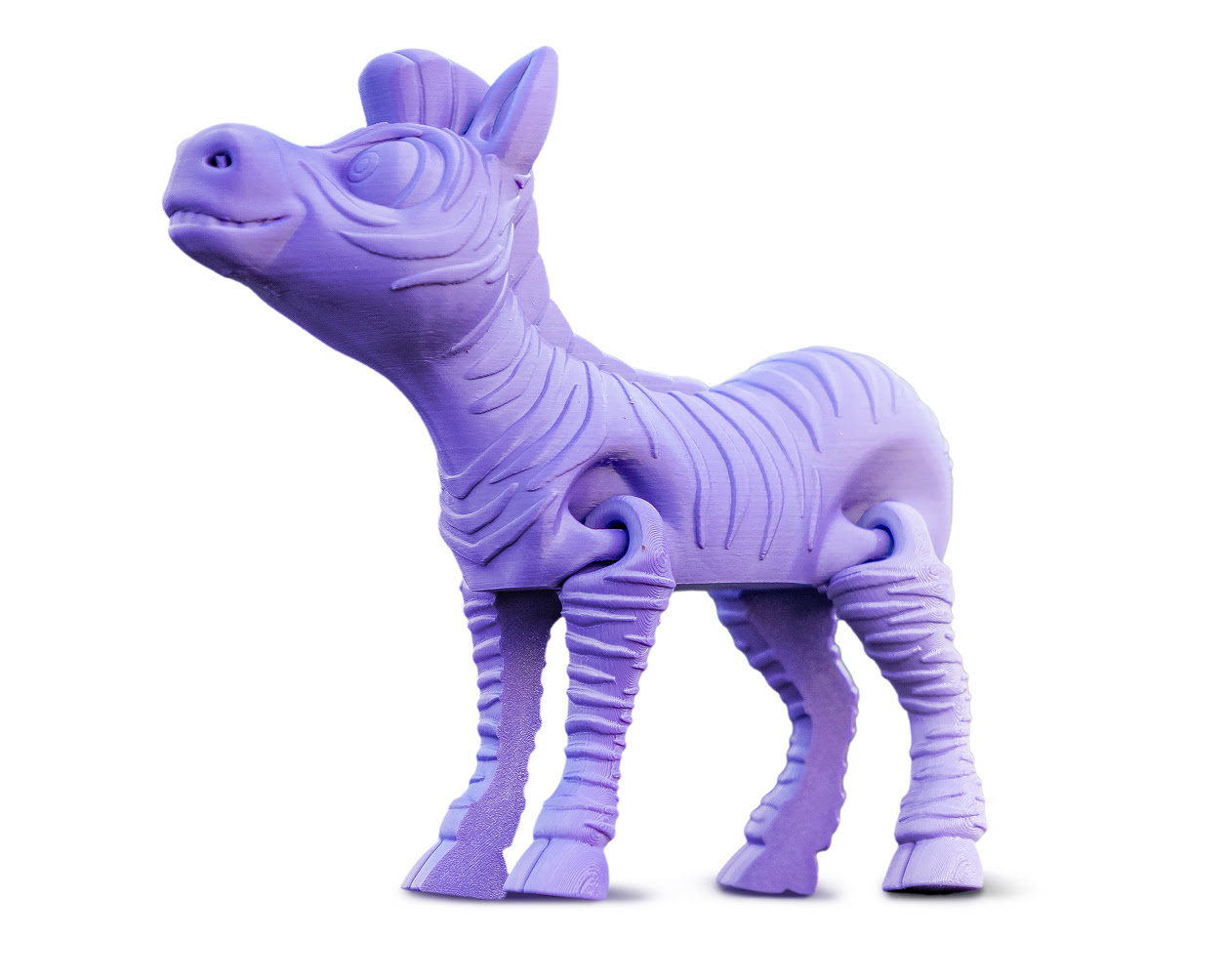
An articulated zebra model with moving joints 3D printed using flexible purple Polymaker CoPE copolyester filament.

CoPE

High-speed Copolyester

CoPE is a high-speed copolyester engineered for flawless prints up to 400 mm/s. Its advanced formulation delivers superior bridging, smooth surface finishes, and robust bed adhesion, making it the ultimate low-cost alternative to PLA, and the perfect breakaway support material for complex geometries.
  • Best for: ultra-fast everyday printing, aesthetic models with complex overhangs, and as a flawless breakaway support material for PLA in dual-extrusion/AMS setups.
  • Pros: blazing-fast print speeds up to 400mm/s, incredible bridging capabilities, flawless surface finish, and completely non-stick when used as a support against PLA.
  • Cons: will not bond with standard PLA (cannot be mixed as a dual-colour aesthetic print), and has an extra-high bed adhesion that requires glue stick on textured PEI to protect the plate.

Buy CoPE filaments

Specialised & advanced materials

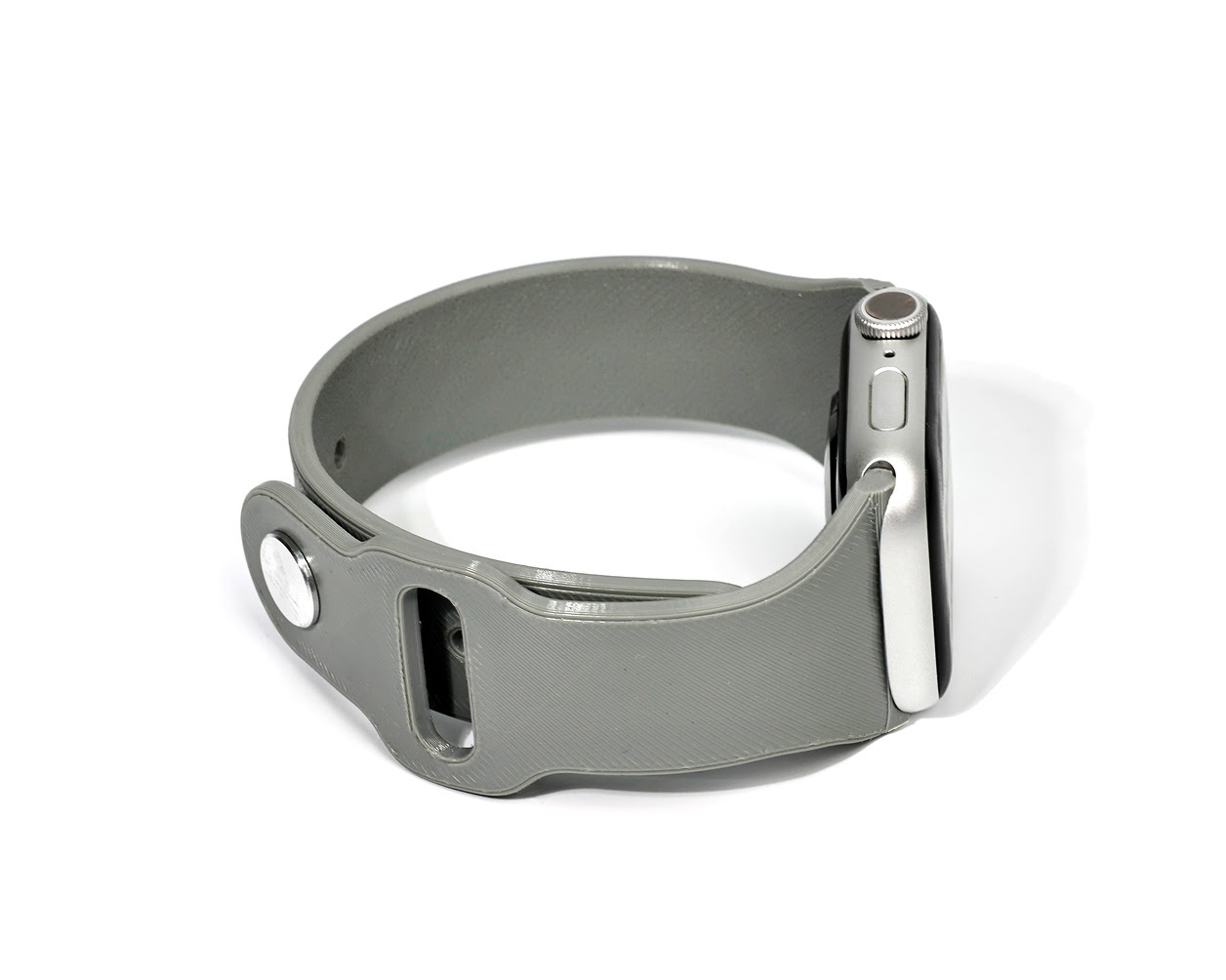
A flexible grey smartwatch strap custom 3D printed using rubber-like TPU elastomeric filament.

FLEX / TPU

Thermoplastic Polyurethane

TPU is a rubber-like 3D printing filament that introduces genuine elasticity to your 3D printer. Ranging from semi-flexible to highly elastic, TPU can be compressed, stretched, and bent, snapping right back into shape.
  • Best for: custom gaskets, seals, shock-absorbing mounts, phone cases, and RC car tyres.
  • Pros: high tear resistance, incredible vibration dampening, excellent chemical and oil resistance.
  • Cons: difficult to feed through bowden-tube extruders (direct-drive setups are highly recommended), must be printed slowly and has poor bed adhesion. Requires a heated bed.

Buy flexible / TPU filaments

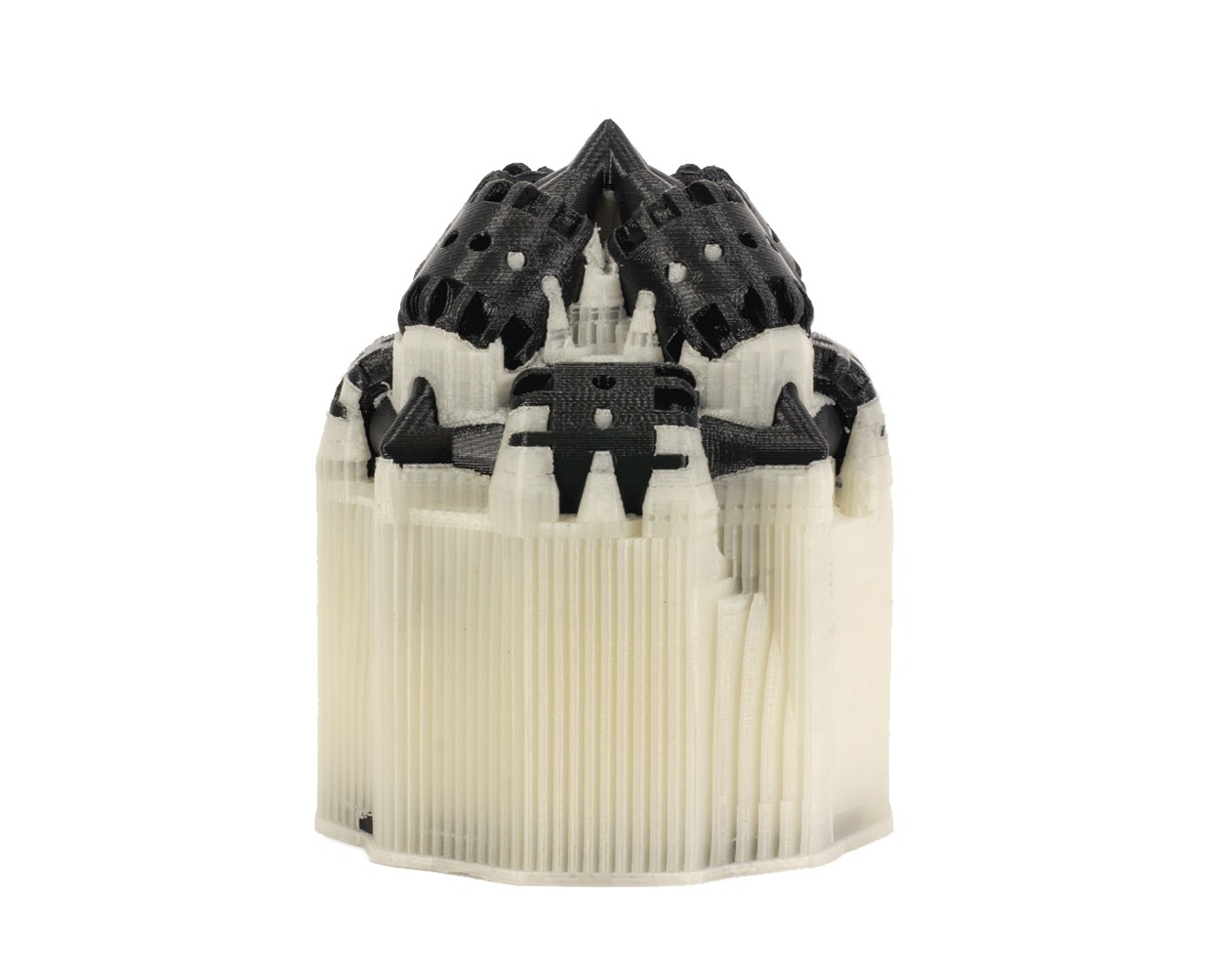
A dual-extrusion 3D print of a black model encased in water-soluble PVA support filament structures.

PVA & soluble supports

Polyvinyl Alcohol

PVA is a water-soluble material designed exclusively for dual-extrusion 3D printers. Instead of printing difficult plastic supports that leave scars when broken off, PVA supports simply dissolve away in a bath of warm water.
  • Best for: printing complex geometries, internal cavities, moving print-in-place mechanisms, and flawless overhangs.
  • Pros: dissolves cleanly in water, leaves zero surface blemishes on the main model.
  • Cons: highly sensitive to moisture (will ruin if left exposed to air), expensive compared to build materials.

Buy PVA & soluble support filaments

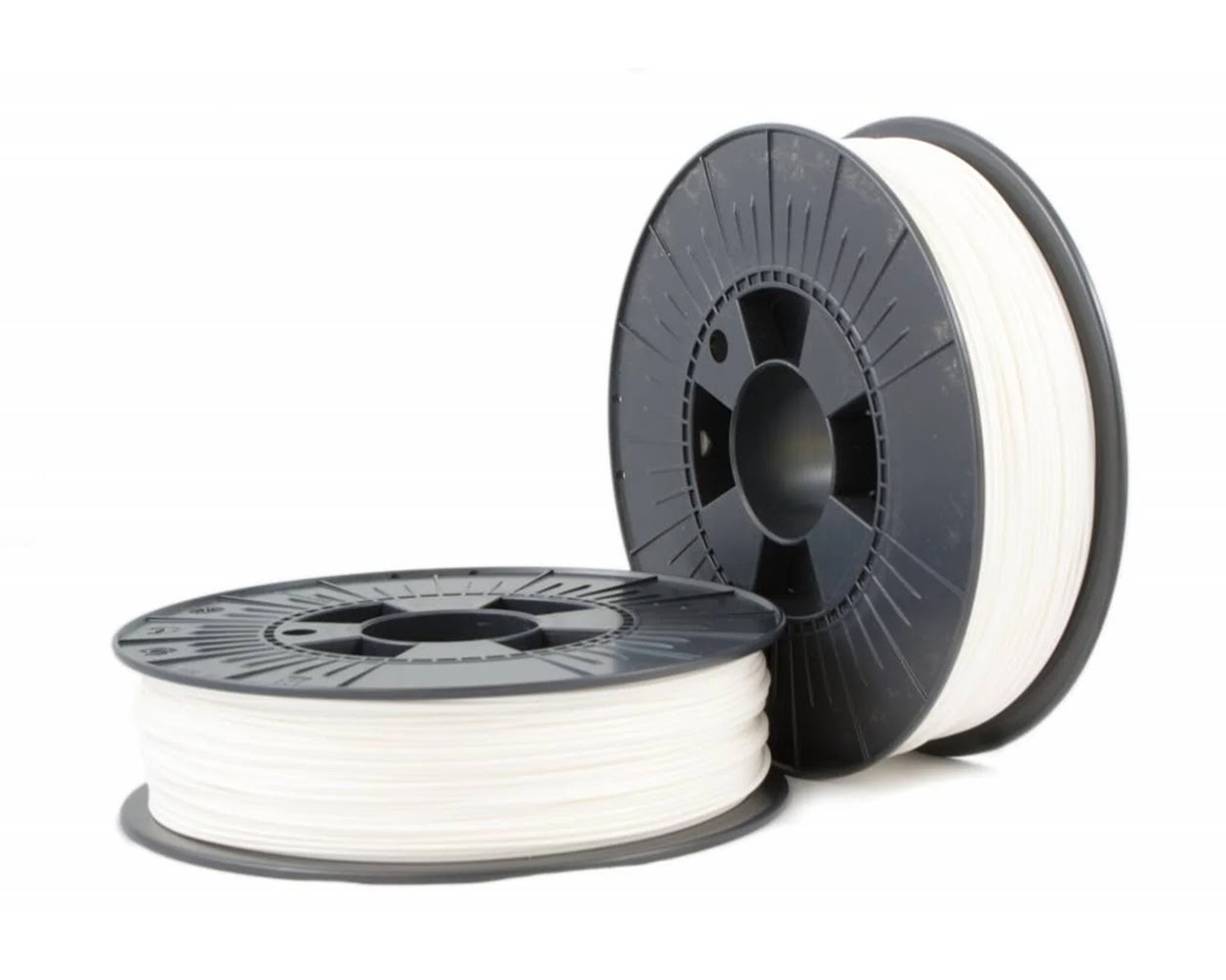
Two rolls of white Makerfill HIPS filament

HIPS

High Impact Polystyrene

HIPS serves a brilliant dual purpose. It is a highly rigid, impact-resistant standalone material, but it is most famously used as a soluble support material for ABS printing, dissolving entirely in limonene.
  • Best for: lightweight structural models or as a dissolvable support structure for complex ABS parts.
  • Pros: fantastic dimensional stability, easy to paint and sand, clean dissolution in limonene.
  • Cons: requires a heated bed and high printing temperatures, prone to warping similar to ABS.

Buy HIPS filaments

Engineering & industrial 3D printer filaments

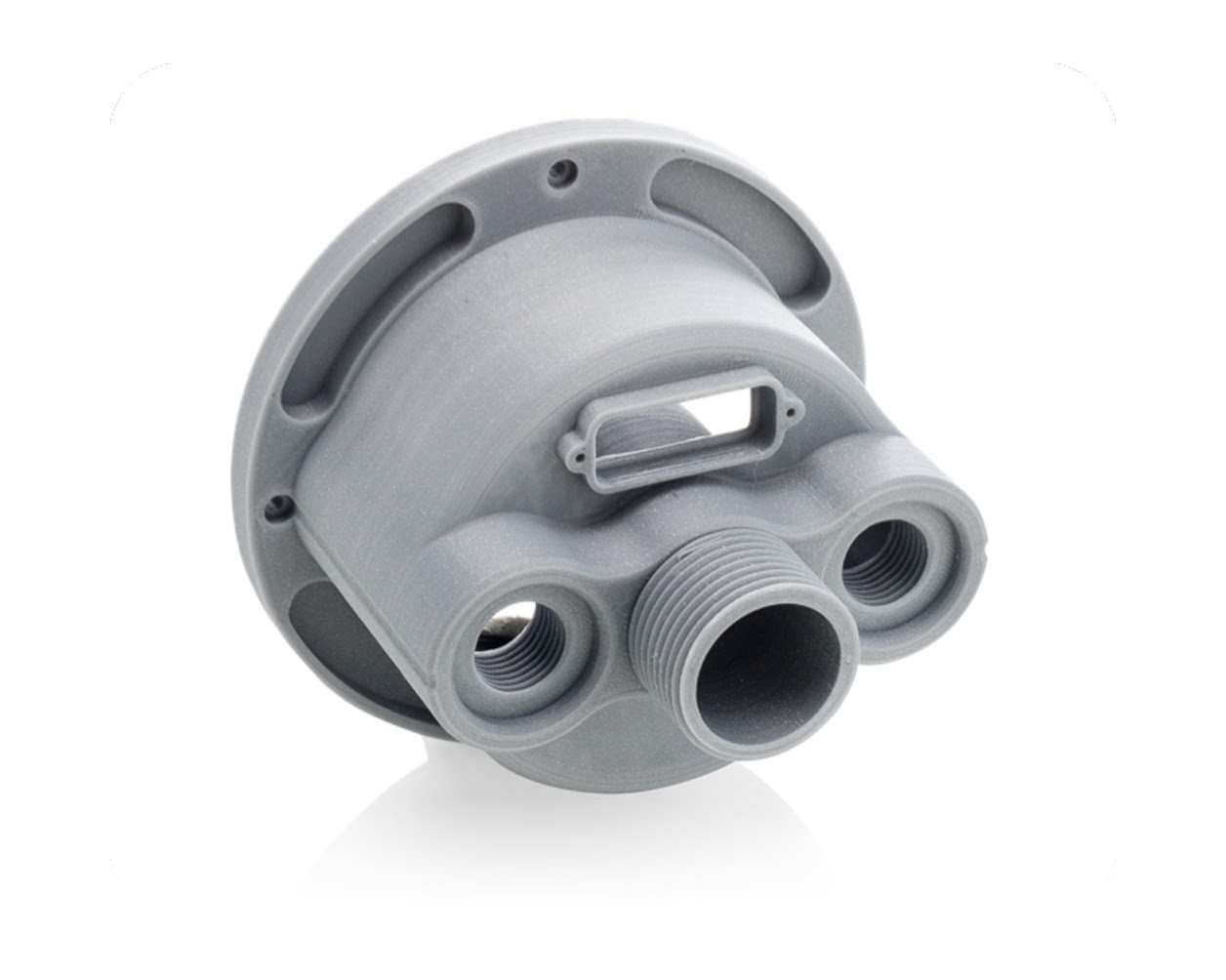
A functional mechanical housing component with threaded ports, printed in grey ABS or ASA engineering filament.

ABS & ASA

Acrylonitrile Butadiene Styrene / Acrylonitrile Styrene Acrylate

ABS and ASA are the industry standards for tough, end-use parts. While ABS is the classic rugged plastic used in Lego bricks, ASA is its modern evolution, specifically formulated to resist UV rays and harsh outdoor weather without degrading.
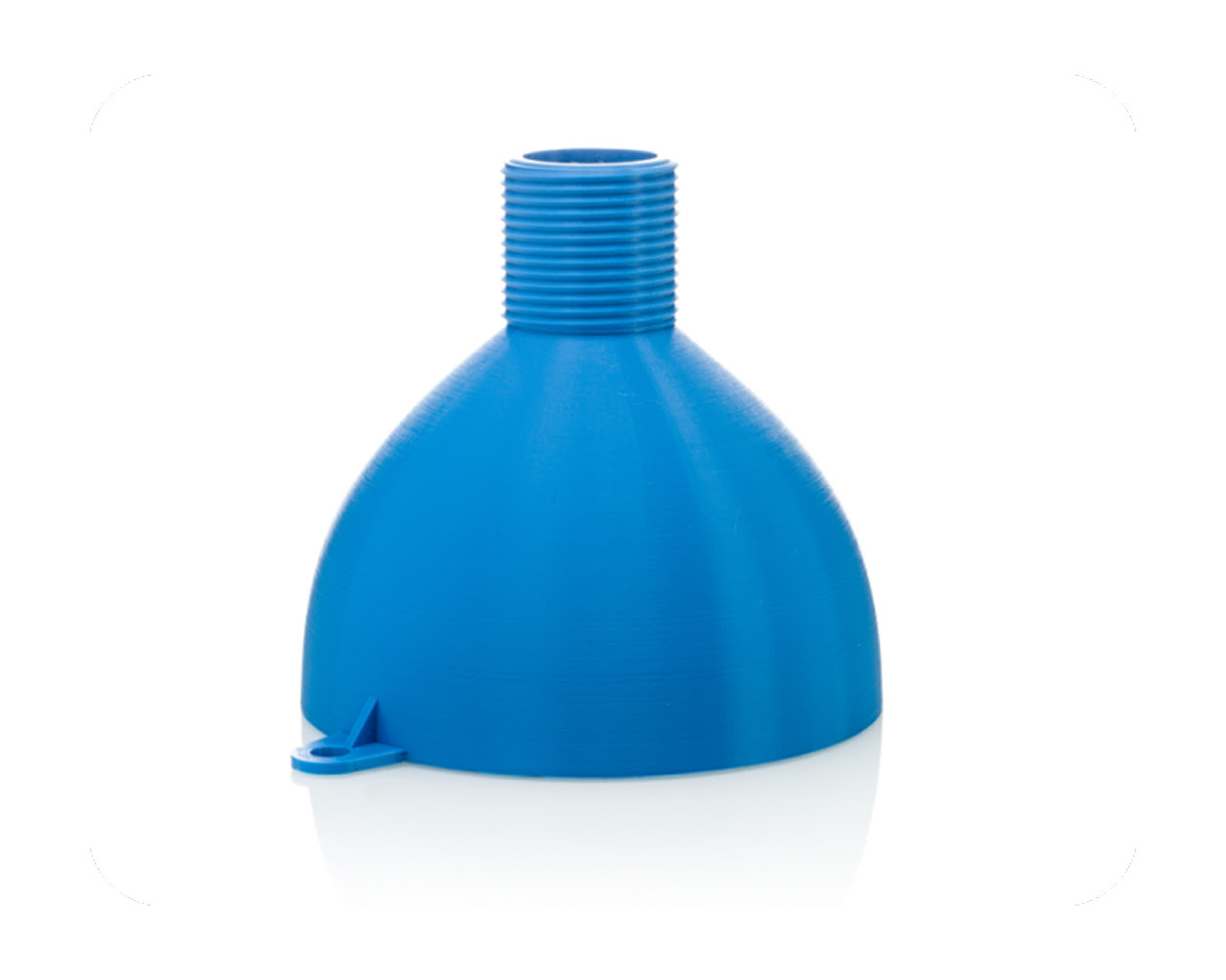
  • Best for: automotive parts, outdoor enclosures, protective cases, and components facing high impact.
  • Pros: high heat deflection, extreme durability, easily smoothed using acetone vapours.
  • Cons: prone to warping and shrinking (requires a heated bed and a closed printer enclosure), emits noticeable odours during printing.

Buy ABS & ASA filaments

A functional dome-shaped funnel component with a threaded neck, 3D printed using durable blue CPE filament.

CPE

Copolyester

CPE is a standard engineering copolyester designed for demanding applications that require a step up from standard PETG. CPE offers fantastic everyday durability, dimensional stability, and enhanced chemical inertness, making it an excellent all-rounder for functional testing.
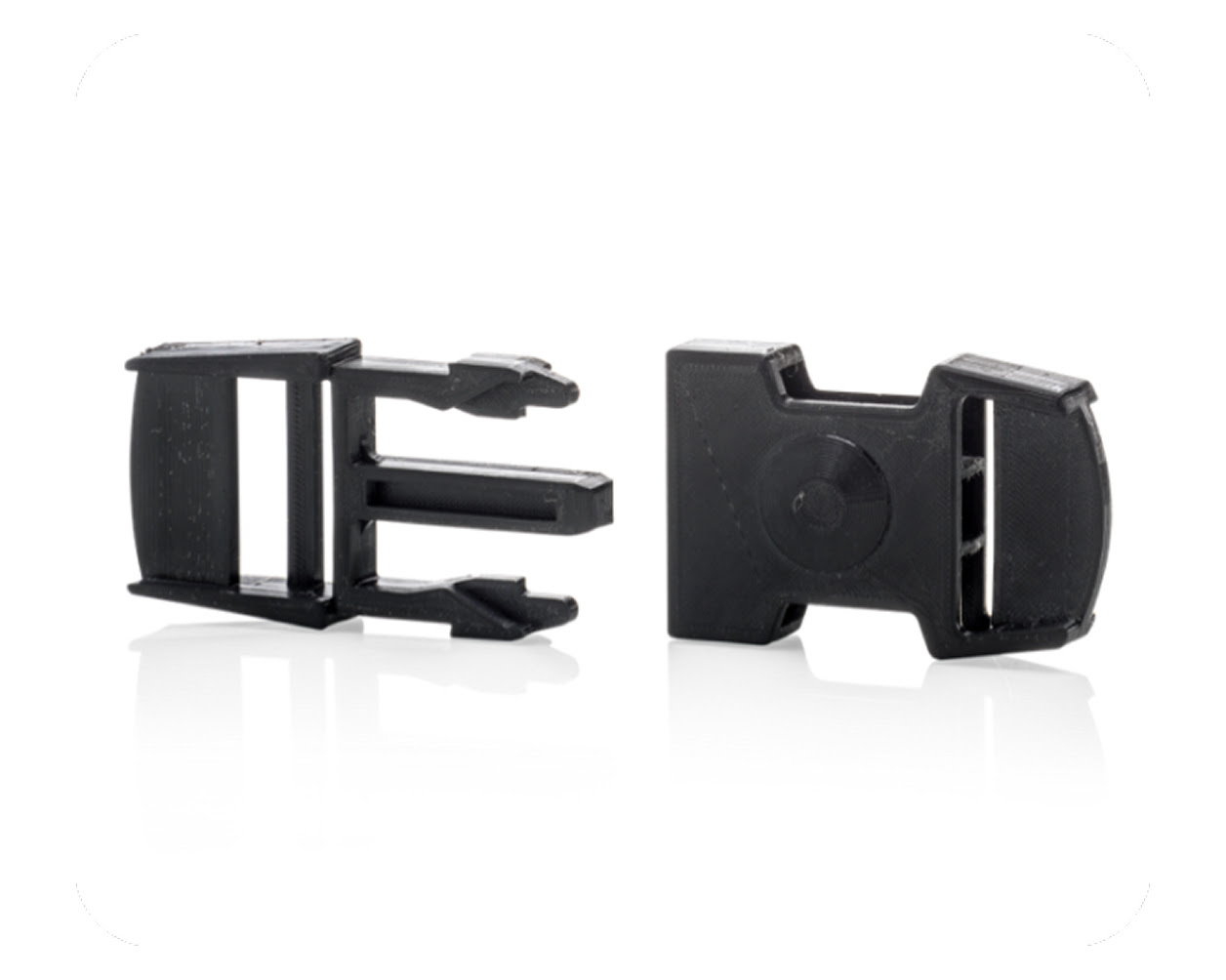
  • Best for: chemical-resistant containers, mechanical brackets, functional prototypes, and household fixtures.
  • Pros: exceptional chemical resistance, high impact strength, low-odour printing, and great layer adhesion.
  • Cons: highly hygroscopic (requires strict moisture control), prone to minor stringing if not properly dried.

Buy CPE filaments

A functional side-release plastic buckle mechanism 3D printed using durable black PA nylon filament.

PA / Nylon

Polyamide

PA or nylon is the premier choice for moving parts and heavy-duty mechanical engineering. Nylon boasts an incredibly low friction coefficient and immense tensile strength, allowing it to flex slightly without snapping.
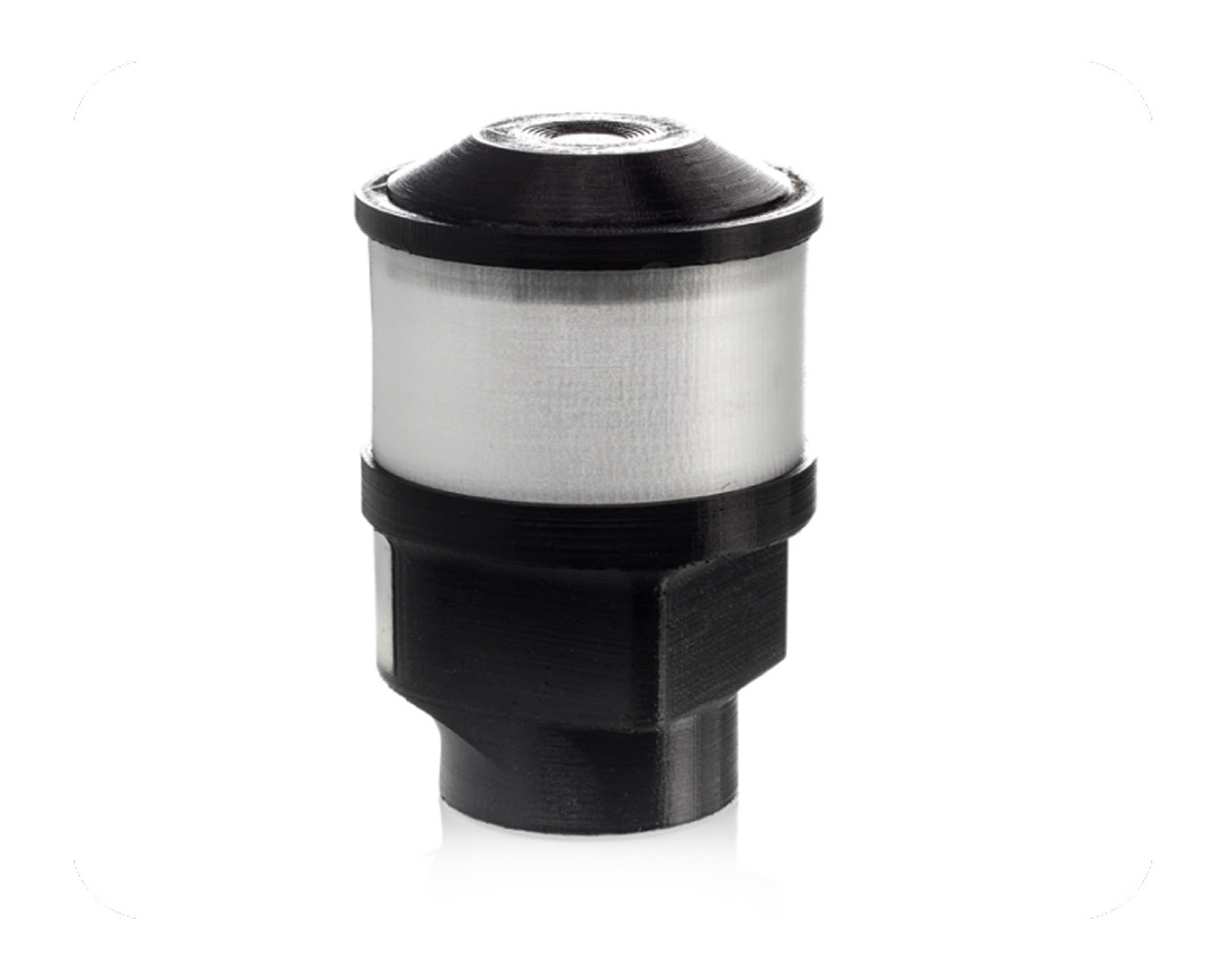
  • Best for: gears, bearings, living hinges, power tool housings, and high-wear components.
  • Pros: unbeatable abrasion resistance, high impact strength, fantastic flexibility in thin walls.
  • Cons: notoriously difficult to print due to severe warping, absorbs moisture rapidly (must be dried before use).

Buy PA / Nylon filaments

A multi-part industrial assembly with translucent and black sections 3D printed using heat-resistant PC polycarbonate filament.

PC

Polycarbonate

PC is one of the strongest 3D printing filaments available for FDM printing. Polycarbonate is an industrial-grade heavyweight trusted for its extreme structural integrity and ability to hold its shape in scorching environments.
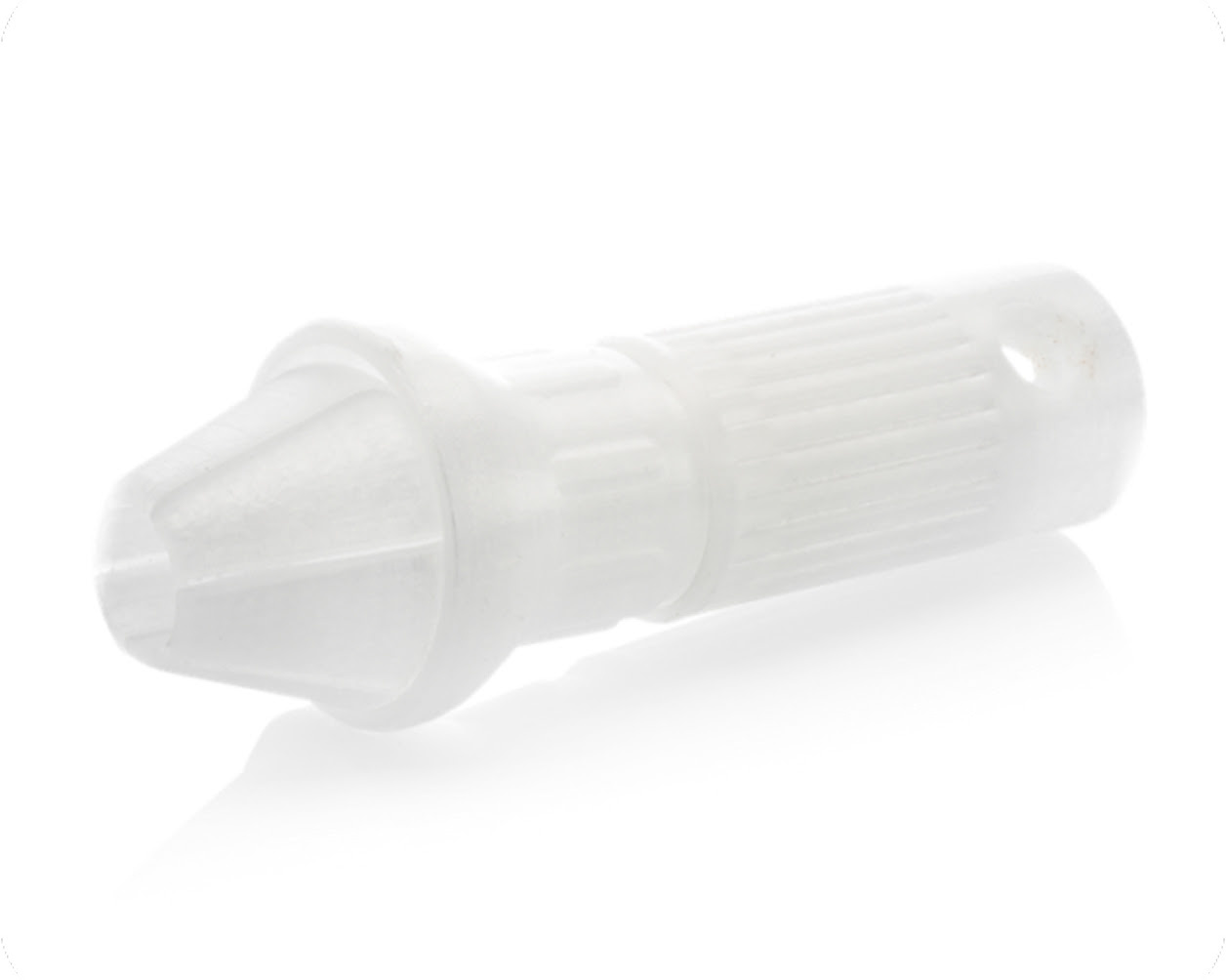
  • Best for: high-temperature enclosures, structural braces, protective screens, and heavy machinery parts.
  • Pros: extreme heat resistance (up to 110 – 140 °C), chemical resistant, immense impact strength, optically clear variants available.
  • Cons: requires specialised high-temperature hardware (300 °C+ nozzles), prone to severe warping. Requires a heated bed and a closed printer enclosure.

Buy PC filaments

A functional translucent white tool handle component 3D printed using chemical-resistant PP polypropylene filament.

PP

Polypropylene

PP is a lightweight, semi-flexible polymer heavily favoured by the automotive and packaging industries. Its standout feature is its total resistance to fatigue, meaning it can be bent millions of times without breaking.
  • Best for: living hinges, liquid chemical containers, automotive brackets, and lightweight prototypes.
  • Pros: highly chemically inert, completely waterproof, exceptional fatigue endurance.
  • Cons: infamous for poor bed adhesion (often only sticks to polypropylene tape), high shrinkage rate.

Buy PP filaments

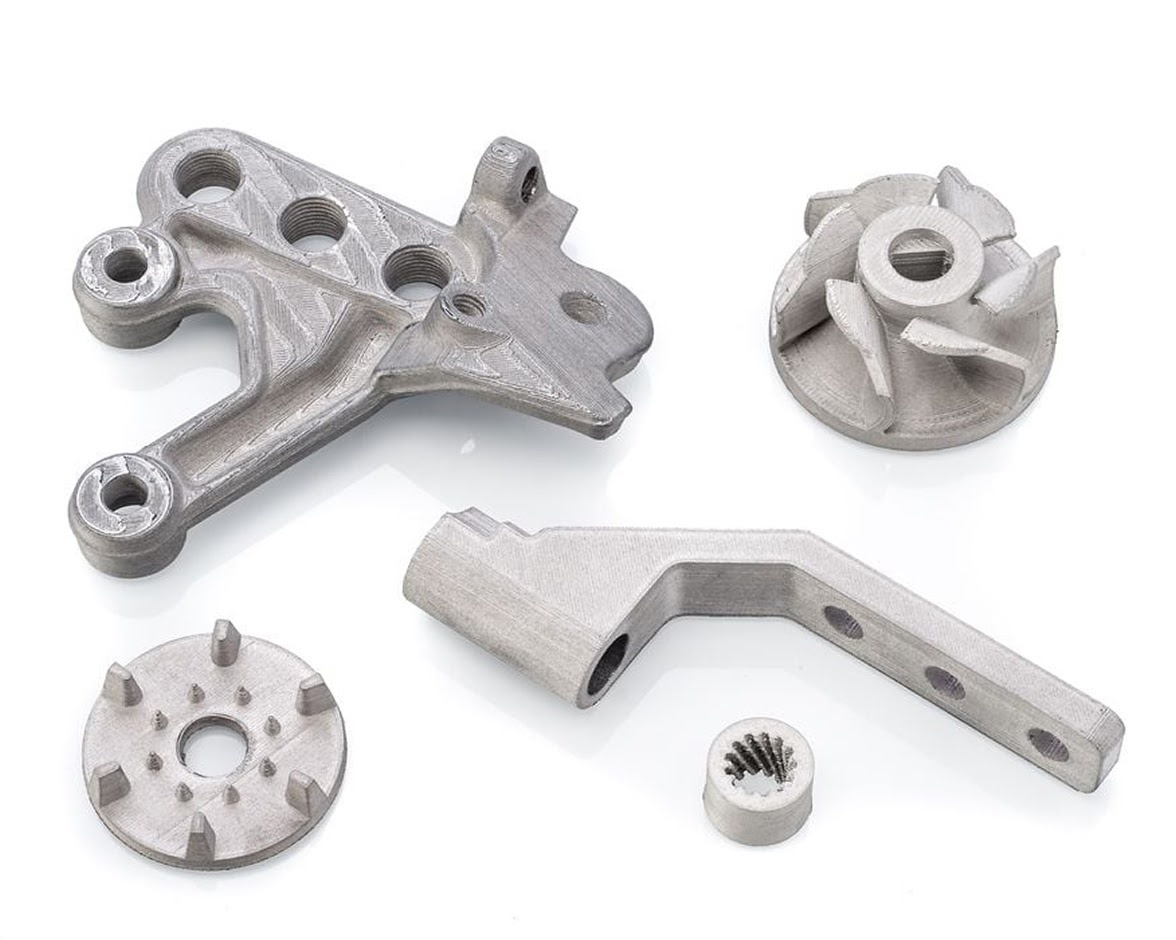
An assortment of dense, functional machinery parts 3D printed using BASF Ultrafuse metal filament.

Metal

BASF Ultrafuse & UltiMaker Metal

Metal filament is an industrial-grade composite class of filaments consisting of high-concentration metal powder (up to 90% by weight) bound within a plastic matrix. Printed on standard FFF desktop printers, these "green parts" undergo a specialised three-step post-processing workflow, involving printing, chemical debinding, and thermal sintering, to remove the plastic binder and fuse the metal particles together into 100% solid, dense steel components.
  • Best for: heavy-duty manufacturing tools, custom functional brackets, industrial machinery components, and corrosion-resistant prototypes.
  • Pros: produces genuine, solid metal parts (like 316L or 17-4 PH stainless steel) at a fraction of the cost of industrial DMLS laser systems; excellent mechanical, chemical, and thermal properties.
  • Cons: requires specialised abrasive nozzles to prevent immediate wear, involves part shrinkage during sintering that must be calculated in your slicer, and cannot be used as a standalone material without access to debinding and sintering facilities.

Buy metal filaments

Specialty & aesthetic filaments

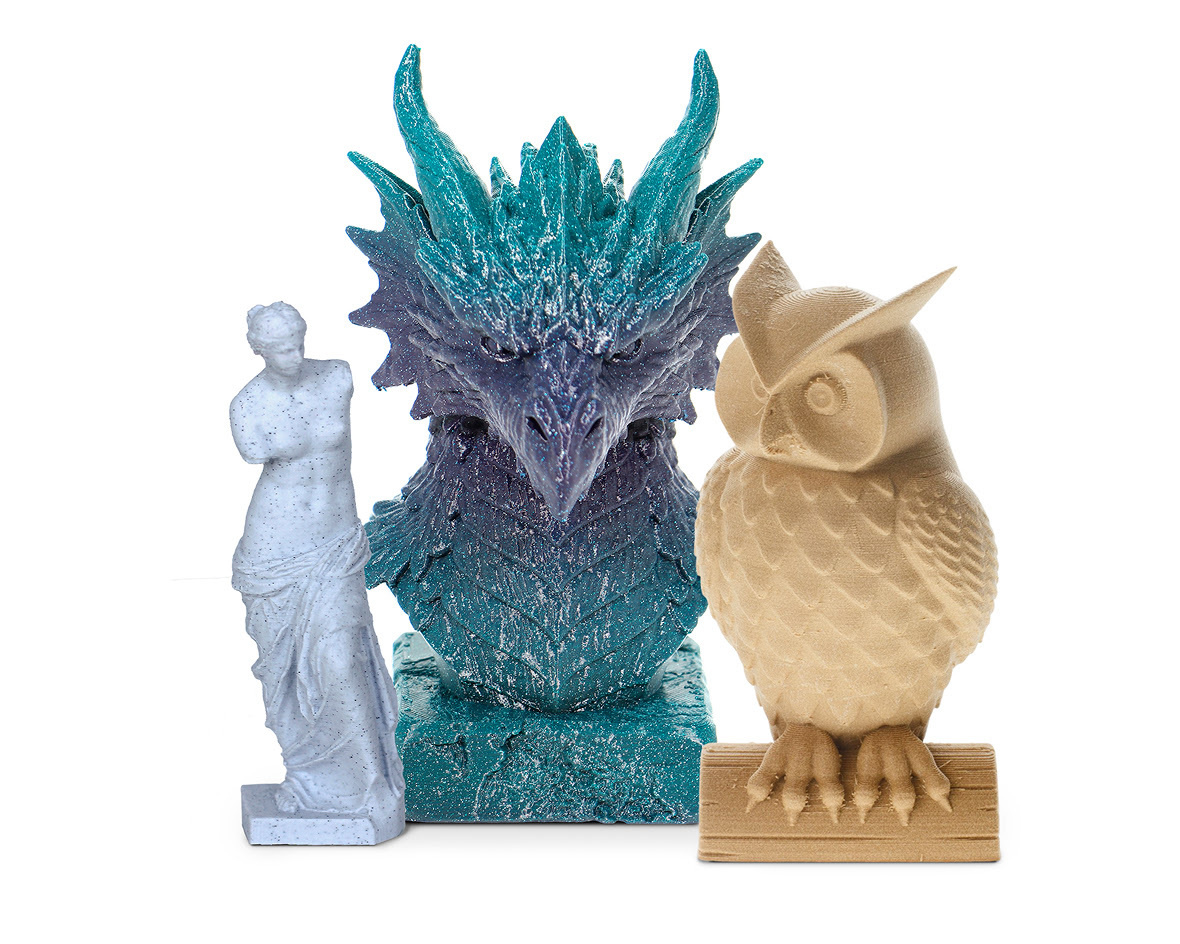
A collection of artistic models 3D printed in speciality filaments, featuring stone-look, glitter-infused, and wood-composite materials.

Wood, metal, glitter, glow-in-the-dark, stone,...

If you want to move beyond plain plastic and create prints with striking, realistic textures or dazzling visual effects, specialty filaments are the perfect choice (wood, metal, glitter, glow-in-the-dark, stone, colour changing, ...). These materials take a standard polymer base (usually PLA) and blend it with real physical particles, like fine wood fibres, metallic dust, stone powder, or luminescent crystals, to give your models an authentic look and feel.
  • Best for: artistic sculptures, architectural models, cosplay props, display pieces, jewellery, and eye-catching novelty items.
  • Pros: stunning, realistic finishes that hide layer lines effortlessly; can be sanded, stained (wood), or polished (metal) just like the real materials.
  • Cons: often highly abrasive (particles like glow-in-the-dark crystals, carbon, or metal dust will quickly wear out a standard brass nozzle; a hardened steel nozzle is highly recommended). These 3D printing filaments can also be more brittle than standard PLA.

Buy specialty filaments

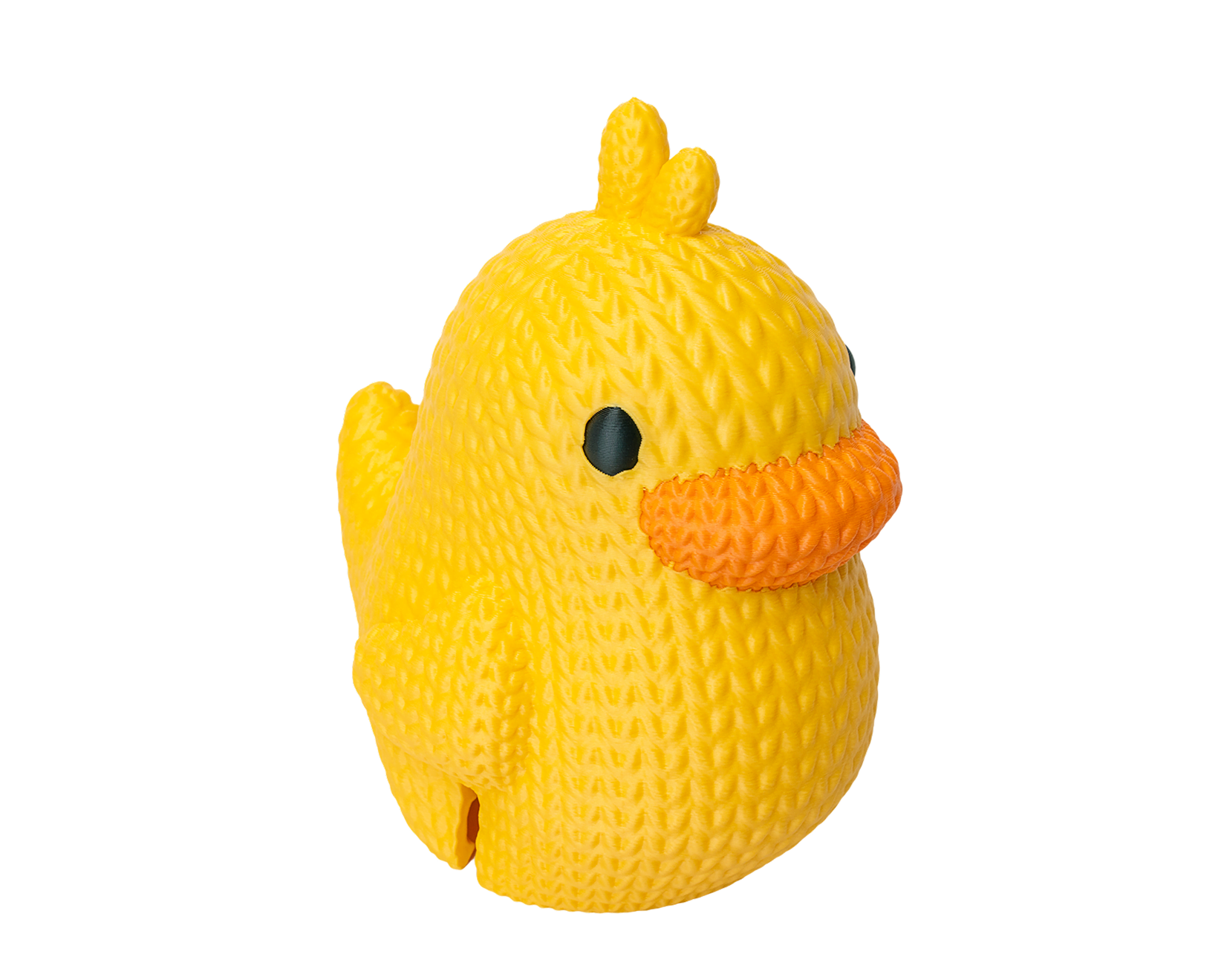
A multi-colour 3D printed duck figurine with a unique knitted wool texture, using yellow, orange, and black filaments.

Quick tips for perfect prints

Before you slice your model, remember our three golden rules for material success:

  • Keep it dry: Copolyesters (CPE/CoPE), Nylons, and PETG act like sponges. Store them in a dry box or dry them before printing to eliminate stringing and bubbles.
  • Protect your bed: high-adhesion materials like CoPE and PETG stick too well to glass and PEI. Always use a magigoo or glue stick as a release agent to protect your build plate.
  • Upgrade your nozzle: if you are diving into our specialty 3D printer filaments (glow-in-the-dark, wood, stone, metal) or carbon-fibre filaments, swap your standard brass nozzle for a hardened steel nozzle to prevent immediate wear and tear.

Choose your perfect 3D printing filament today

Ready to turn your designs into reality? Whether you need ultra-fast CoPE, everyday PLA, or industrial composites for rugged workshop tools, we have the perfect spool for your next project.

3D printed rose with Polymaker Panchroma PLA Gradient Satin Rainbow filament.

© 2026 - MakerMondo by 3D&I - VAT: BE0676.411.583

Manage cookies